The Orchard Between Two Kitchens
Trace how apples take on different roles across neighboring food traditions, and learn to choose a variety and method for the dish you want to make.
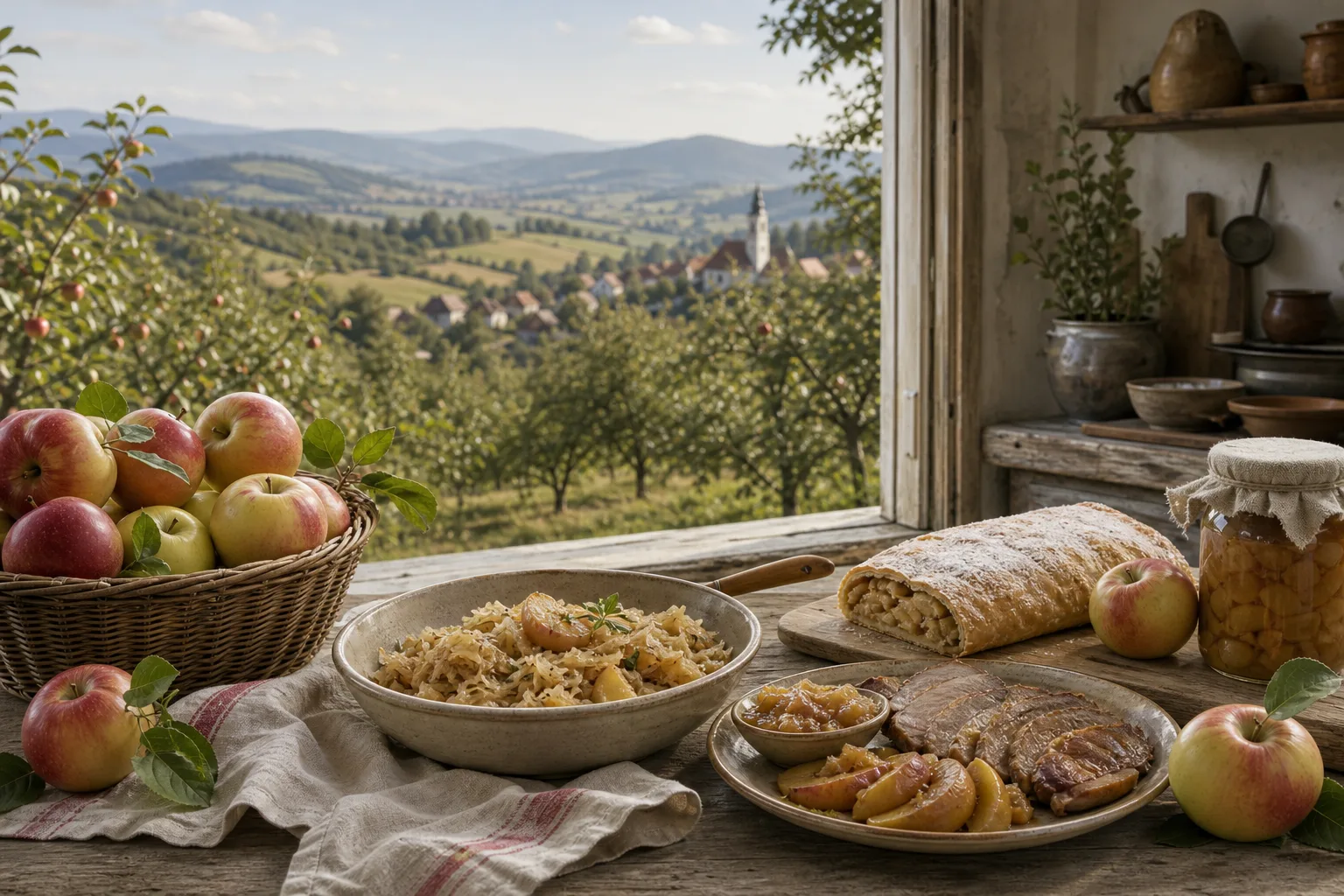
At a market stall near the Polish-Slovak border, a basket of apples might be sold for eating fresh while another is set aside for cooking. A family recipe could turn those apples into a sweet filling for pastry; another household might stew them with cabbage or serve them beside roast meat. Apple traditions across neighboring kitchens show how migration carries techniques and preferences, while local varieties and markets reshape what lands on the plate.
To follow an apple across food traditions, pay attention to its variety, harvest condition, and preparation—not just the dish name. In parts of Central Europe, apples appear in strudel, baked pastries, and savory combinations with cabbage or pork. These uses overlap across borders, but family histories and local habits give them distinct forms.
Shared orchards, different meals
Neighboring food traditions often draw on the same landscape. Orchards, market roads, and seasonal work connect villages whose residents may speak different languages or belong to different communities. People carry recipes through migration, marriage, trade, and visits; they also borrow ideas from neighbors without leaving home.
That contact does not produce one standard apple dish. A cook who learned to wrap fruit in pastry may use a technique remembered from one place and apples bought in another. A household that favors braising may add apples to cabbage or meat, while another saves them for a sweet filling. The fruit is shared; the meal around it expresses a local choice.
Think of a familiar kitchen knife used for different jobs: the object stays the same, but the task changes with the cook. Apples work similarly. Their place in a meal depends on what a household wants them to do—soften, sweeten, sharpen, fill, or keep for later.
Variety and harvest
Apples sold under the same broad name can differ in firmness, sweetness, acidity, aroma, and how well they hold their shape when heated. A crisp eating apple may soften quickly in a pie, while a firm, tart apple can remain distinct in a stew. Harvest timing and storage also affect texture and flavor.
Names can be misleading across regions. A market name may identify a particular cultivar in one place but describe a broader kind of apple elsewhere. Ask the seller what the apple is commonly used for locally. If the answer is uncertain, taste a slice and note whether it is crisp, mealy, tart, sweet, or especially aromatic.
Choose the preparation to match the fruit. Firm pieces suit a filling where you want the apple to remain visible; softer fruit is useful for a sauce or smooth preserve. For a savory dish, taste the apple before adding it, then consider how its sweetness and acidity will work with the other ingredients.
Migration in the recipe
When people move, they bring remembered flavors but may not find the same apple, pastry flour, cooking fat, or oven. A recipe changes through practical substitutions as well as deliberate borrowing. Over time, an adjustment made for a new market or kitchen can become part of a family’s familiar version.
Say a family moves from a hillside orchard village to a nearby city. Their remembered filling uses apples that soften readily, but the city market has firm apples. They cut the apples into small pieces, simmer them with a splash of water, and stir until the pieces collapse. If they still feel firm, they continue cooking; if the filling softens, they stop and cool it before filling pastry. The result is a soft filling made with a different apple, though its flavor may not match the remembered version exactly.
Such an adaptation is not a failure to preserve a tradition. It records the conditions under which people continue to cook: what the market offers, what equipment is available, and which tastes a household wants to keep.
Apples in savory food
Apples can support a savory dish through acidity, sweetness, fragrance, or texture. Cooks may pair them with onions, cabbage, herbs, poultry, or pork, or serve them beside rich food for contrast. The same apple can also appear in a sweet pastry; its role depends on preparation, seasoning, and the other ingredients.
For a home-cooked savory dish, add a small amount of apple and taste as it cooks. If the dish becomes too sweet, balance it with a suitable tart ingredient or reduce the amount of apple in the next addition. If the apple’s acidity feels too sharp, cook it longer with the other ingredients or choose a sweeter variety next time.
Preserving the harvest
Drying, cooking, and pickling let households use apples beyond the fresh harvest. Dried pieces can go into baked goods or cooked dishes; a cooked preserve can become a spread, pastry filling, or accompaniment to cheese and meat. Each method gives the fruit a different texture and place at the table.
Preservation also carries household knowledge: which fruit stays pleasant when dried, which softens into a spread, and how a family seasons a preserve. These methods and preferences travel with people, then meet the fruit available in a new place. For canning or other storage methods where food safety matters, follow a current, reliable recipe from a qualified food-preservation authority rather than guessing at processing or storage instructions.
Choosing an unfamiliar apple
Use the fruit’s condition and intended dish to guide the choice. Each check should lead to a clear next action:
- Check firmness: If the apple feels firm and the dish needs visible pieces, cut it evenly and cook until just tender; if it is soft, use it for sauce or choose a firmer apple.
- Taste for acidity: If the apple is tart and the dish needs brightness, add it in stages; if it tastes sharp in a dish that should be mild, use less or choose a sweeter apple.
- Check for bruising: If the flesh is sound after cutting away a small bruise, use the remaining fruit promptly; if there is widespread spoilage, discard it.
- Ask about local use: If a seller says the apple is commonly baked, try it in pastry or a cooked filling; if its usual use is unclear, taste it and choose a preparation based on its texture.
- Match shape to method: If the recipe needs slices that hold together, cut thicker pieces and check them as they cook; if the fruit breaks down quickly, use it in a sauce or shorten the cooking.
- Check preservation instructions: If a trusted recipe specifies a method and storage conditions, follow those directions; if instructions are missing or uncertain, do not improvise shelf-stable preservation—choose a fresh preparation or consult a qualified food-preservation authority.
Questions about apple traditions?
Is this apple meant to be eaten raw?
Not always: some apples are chosen mainly for cooking, while others are valued for fresh eating. Taste a slice and ask the seller or cook which use is common locally.
Can one variety replace another?
Often, but the finished texture and flavor may change. Adjust the cut and cooking method to what the apple does in the pan rather than expecting an exact match.
Why does a dish change across a border?
Variety, harvest condition, seasonings, equipment, and family habits can all differ. Migration and trade also bring techniques into contact with local ingredients.
How can I learn a local preparation?
Ask what the apple is called, when it is ready to use, and which dishes people make with it. Then watch how a cook cuts and seasons it; those details often reveal the method’s purpose.
Reading the kitchen
Imagine you have three firm apples, one soft apple, and a recipe for a savory cabbage filling that calls for fruit to remain in pieces. Cut and taste all four: if the three firm apples stay crisp and the soft one feels mealy, dice the firm apples for the filling and set the soft apple aside for sauce. Cook the diced pieces with the cabbage, checking them as they soften; stop when they are tender but still distinct. The choice follows observable texture, not the assumption that every apple with the same market name will behave alike.
To understand apple traditions across neighboring foodways, notice the fruit’s variety, season, preparation, and the people who carried a recipe into the kitchen. The market can tell you what is available; asking how a household uses it can show why the same orchard fruit belongs in pastry in one meal and beside savory food in another.
Keep exploring
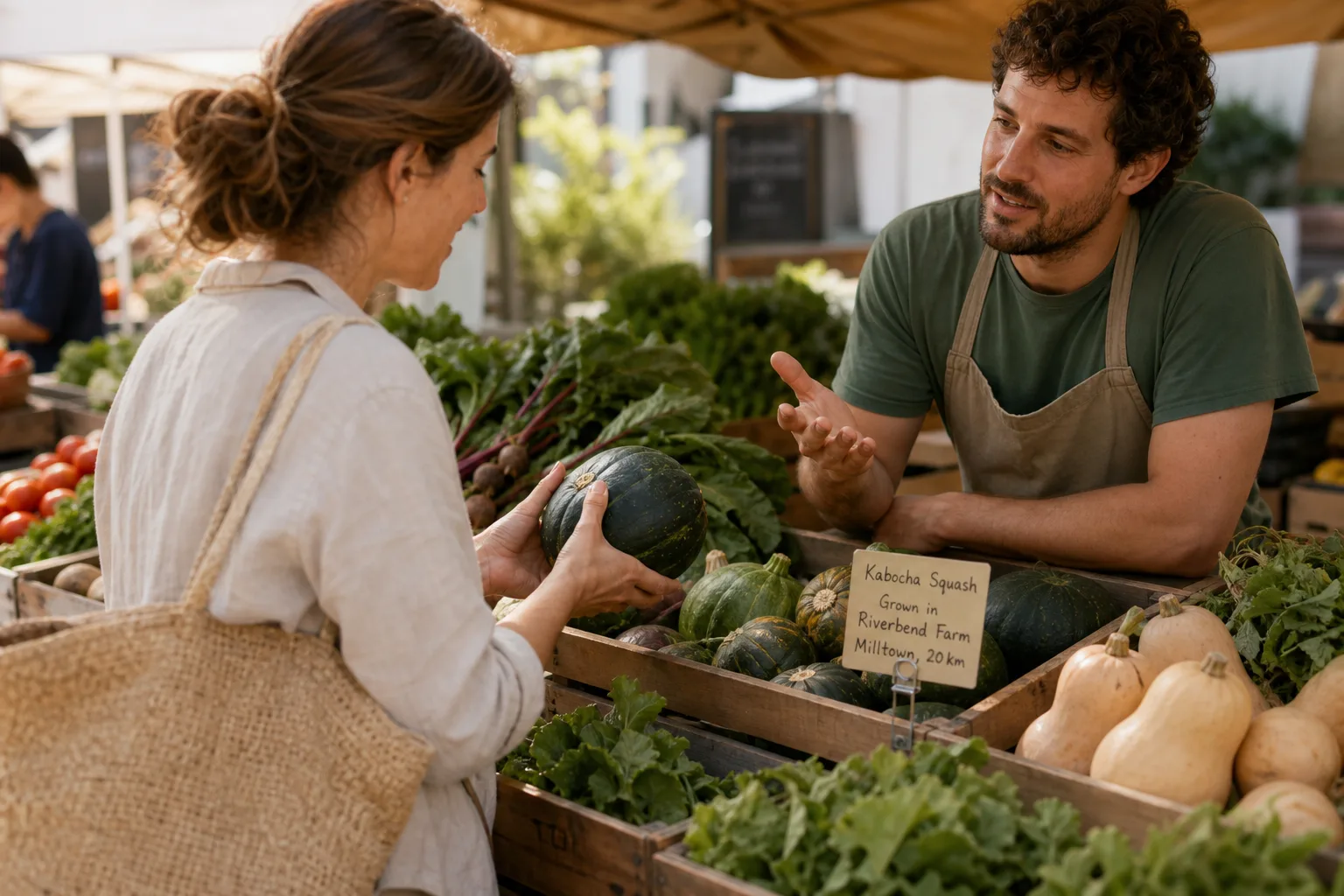
A Market Stall Has Its Own Geography
Market stall geography helps you trace one ingredient from its stated source through the market, so…
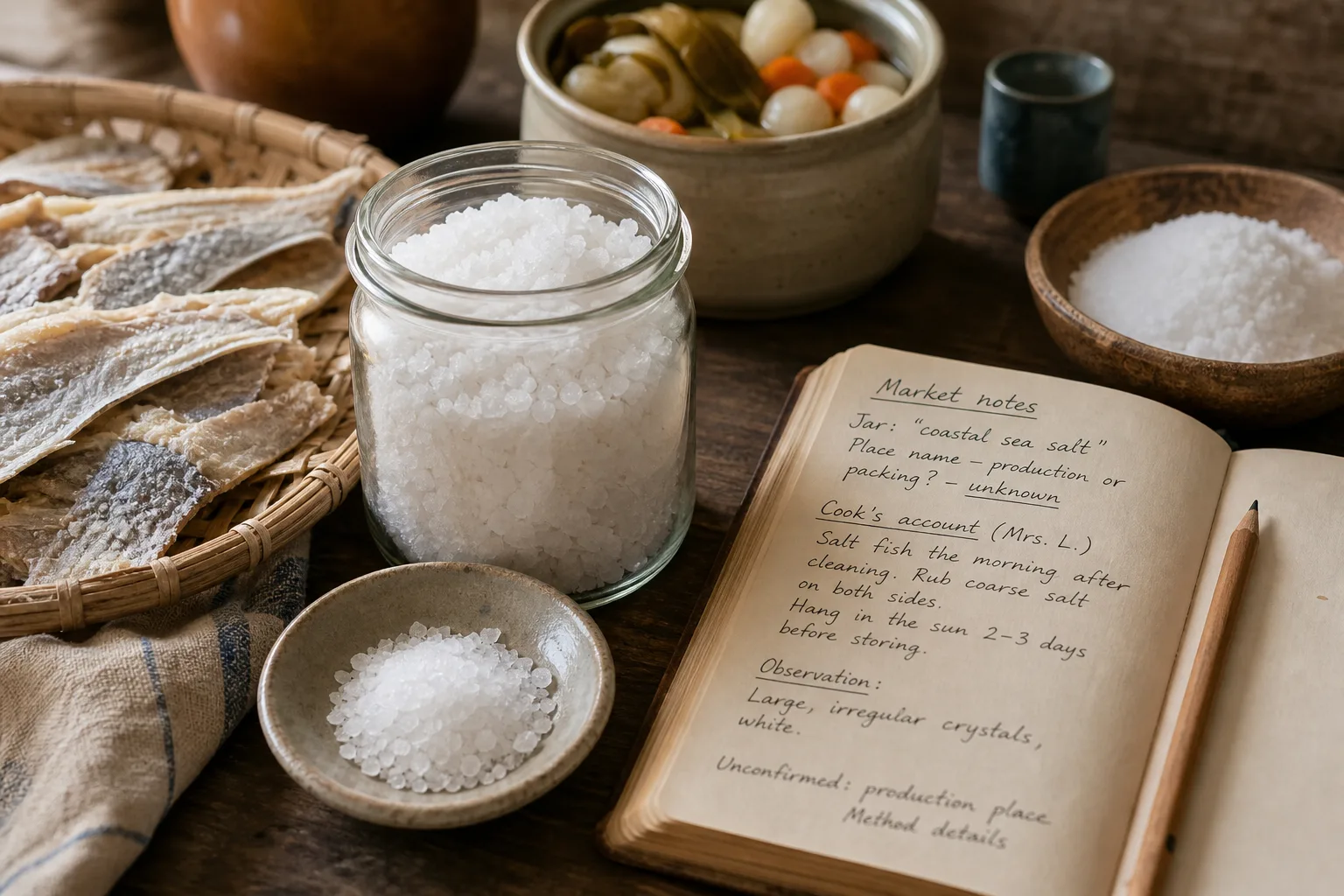
How Salt’s Origins Shape Local Cooking Customs
Learn how salt origins connect to local cooking customs, with ways to trace a source, describe…